

Pakistan-China friendship is exemplified by the recent Shenzhou-24 mission, showcasing the strong ties between the two nations in space exploration.
Overview of the Shenzhou-24 Mission
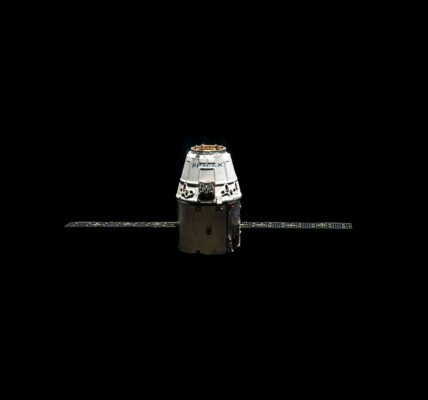
The Shenzhou-24 mission has emerged as a significant symbol of the deep-rooted Pakistan-China friendship, showcasing the collaborative efforts between the two nations in the realm of space exploration. This mission, which took place in late 2023, successfully launched and returned a crew of astronauts who conducted extensive scientific research and experiments aboard the Tiangong space station.
Prime Minister of Pakistan, during his address, referred to the Shenzhou-24 mission as “living proof” of the ironclad ties between Pakistan and China. He emphasized that the partnership in space technology not only strengthens diplomatic relations but also paves the way for future collaborations across various fields.
The mission included several key objectives:
- Conducting experiments in microgravity to advance scientific knowledge.
- Testing new technologies for long-duration space missions.
- Enhancing cooperation between Chinese and Pakistani space agencies.
This collaboration highlights the mutual benefits derived from joint ventures, fostering a spirit of innovation and progress. As the two countries continue to work together, the Shenzhou-24 mission stands as a testament to the potential of their partnership, further solidifying the Pakistan-China friendship for years to come.
Significance of Pakistan-China Relations
The relationship between Pakistan and China has long been characterized by mutual respect and cooperation. The recent Shenzhou-24 mission serves as a testament to this enduring partnership, highlighting the significance of Pakistan-China friendship in the realm of space exploration and technology.
Historically, both nations have collaborated across various sectors, which has facilitated growth and development. The Shenzhou-24 mission not only underscores their commitment to scientific advancement but also exemplifies the shared goals that strengthen their bilateral ties. Key areas of collaboration include:
- Economic Development: Both countries have engaged in numerous projects aimed at enhancing economic stability and infrastructure.
- Defense Cooperation: Joint military exercises and technology transfers have fortified their defense capabilities.
- Cultural Exchange: Initiatives promoting cultural understanding have fostered goodwill between the two nations.
Furthermore, the Shenzhou-24 mission illustrates the potential for further collaborative efforts in space technology. As emerging economies, Pakistan and China are positioned to leverage their partnership for mutual benefits. This mission is indeed a living proof of their ironclad friendship, reaffirming their commitment to facing global challenges together and advancing their shared interests.
Key Achievements in Space Collaboration
The Shenzhou-24 mission stands as a testament to the deep-rooted Pakistan-China friendship, showcasing numerous key achievements in space collaboration between the two nations. This mission not only exemplifies technological advancement but also highlights the cooperative spirit that underscores their bilateral ties.
Among the significant achievements, the following stand out:
- Joint Research Initiatives: Scientists from both countries worked together on various experiments conducted aboard the Shenzhou-24 spacecraft, enhancing knowledge in fields such as astronomy and materials science.
- Technology Transfer: The mission facilitated the exchange of critical technologies, enabling Pakistan to advance its own space program and contribute to regional scientific endeavors.
- Capacity Building: The collaboration has led to training opportunities for Pakistani astronauts and engineers, equipping them with skills necessary for future space missions.
- Public Engagement: The mission has sparked interest in space science among the youth in both countries, fostering a new generation of scientists and innovators.
As expressed by the Prime Minister, the Shenzhou-24 mission is “living proof” of the ironclad friendship between Pakistan and China, paving the way for future collaborations that promise to elevate both nations on the global stage.
Future Prospects for Joint Missions
The successful Shenzhou-24 mission has opened new avenues for future collaboration between Pakistan and China in space exploration. As both nations continue to strengthen their partnership, the prospects for joint missions look promising.
Experts believe that the synergy between Pakistan and China’s technological advancements can lead to significant breakthroughs. The following points highlight potential areas for future cooperation:
- Joint Research Programs: Collaborative projects focusing on satellite technology and astrophysics can enhance understanding and foster innovation.
- Shared Resources: By pooling resources, both countries can increase the effectiveness of their space programs, making them more resilient and impactful.
- Training Opportunities: Pakistan can benefit from Chinese expertise through training programs for its scientists and engineers, thereby building a skilled workforce for future missions.
- International Collaborations: Strengthening ties with other nations through joint missions can enhance the global standing of both countries in the aerospace sector.
As the Pakistan-China friendship continues to evolve, the Shenzhou-24 mission stands as a testament to their shared vision. This partnership not only emphasizes mutual respect but also aims to inspire future generations to explore the wonders of space together.
Impact on Global Space Exploration
The successful Shenzhou-24 mission has not only showcased the technological advancements achieved by China but also highlighted the profound impact of Pakistan-China friendship on global space exploration. This collaboration serves as a testament to how joint efforts can lead to significant strides in scientific research and technological development.
Through their partnership, both nations have been able to share resources, knowledge, and expertise, fostering an environment where innovation can thrive. The Shenzhou-24 mission exemplifies this synergy, allowing Pakistan to participate in projects that enhance its own space capabilities.
Key benefits of the Pakistan-China friendship in this context include:
- Knowledge Exchange: Collaborative research initiatives enable scientists from both countries to learn from each other, accelerating progress in space science.
- Resource Sharing: Joint missions allow for the pooling of financial and technological resources, making ambitious projects more feasible.
- Global Leadership: Together, Pakistan and China can position themselves as leaders in space exploration, inspiring other nations to follow suit.
As both countries continue to work closely, the implications of their partnership will resonate throughout the global space community, paving the way for future missions that could reshape our understanding of the universe.
Statements from PM on Friendship
In a recent statement, the Prime Minister reiterated the deep-rooted ties between Pakistan and China, emphasizing that the Shenzhou-24 mission serves as “living proof” of the Pakistan-China friendship. He noted that this mission not only highlights the advancements in space technology but also signifies the unwavering support and collaboration between the two nations.
According to the Prime Minister, the successful execution of the Shenzhou-24 mission demonstrates the potential of joint efforts in scientific exploration. He stated, “This mission exemplifies our shared vision for a prosperous future, driven by innovation and mutual respect.” The Prime Minister further elaborated on the importance of leveraging technological advancements to address common challenges faced by both countries.
During his address, he acknowledged the historical context of the friendship, stating, “From economic partnerships to space exploration, our relationship has stood the test of time.” He also highlighted the role of young scientists and engineers from both countries, who are instrumental in fostering deeper collaboration in the field of space science.
The Prime Minister concluded by expressing optimism for future missions, asserting that the enduring Pakistan-China friendship will continue to thrive, paving the way for groundbreaking achievements in space and beyond.
Technological Advancements from Collaboration
The Shenzhou-24 mission stands as a testament to the technological advancements stemming from the enduring Pakistan-China friendship. This collaboration has not only fostered innovation but has also contributed to the development of both nations’ space capabilities.
Significantly, the mission has showcased several key technological achievements, including:
- Satellite Technology: Joint efforts in satellite development have enhanced communication and data transmission capabilities.
- Launch Vehicles: The design and construction of reliable launch vehicles have progressed through shared expertise and resources.
- Research and Development: Collaborative research initiatives have led to breakthroughs in space science and engineering.
- Training Programs: Exchange programs for scientists and engineers have bolstered skills and knowledge in both countries.
These advancements not only strengthen bilateral ties but also position Pakistan and China as prominent players in global space exploration. The Shenzhou-24 mission exemplifies how joint ventures can lead to superior technology and greater scientific understanding. As both nations continue to work together, the benefits of their partnership are expected to expand, paving the way for future innovations that will have lasting impacts on the region and beyond.
Public Reception of the Mission
The public reception of the Shenzhou-24 mission has been overwhelmingly positive, showcasing the deep-rooted Pakistan-China friendship that has flourished over the years. Citizens from both nations have expressed their pride in the collaborative efforts that have resulted in significant scientific advancements.
In Pakistan, social media platforms have been abuzz with discussions and celebrations surrounding the mission. Many users shared messages of congratulations and highlighted the importance of such collaborations in fostering goodwill and mutual respect between the two countries. Local news outlets have featured stories of students and young professionals inspired by the mission’s success, emphasizing its role in promoting STEM education.
Similarly, in China, the mission has been hailed as a testament to the strength of the bilateral relationship. State media have lauded the joint efforts as evidence of a shared vision for the future, underscoring how these missions not only benefit science but also strengthen cultural ties.
Public figures in both countries have also joined in to commend the mission, with many reiterating that initiatives like Shenzhou-24 serve as living proof of the ironclad partnership between Pakistan and China. The general sentiment is one of optimism, with hopes for continued collaboration in future space endeavors.
The successful Shenzhou-24 mission has further solidified the Pakistan-China friendship, showcasing the collaborative spirit between the two nations. As both countries continue to explore space together, the Pakistan-China friendship is expected to yield even more significant advancements in technology and science.
By Sheikh Danish Ejaz via Openverse
References
Related stories