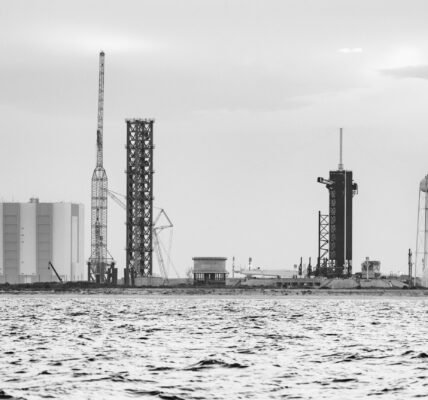
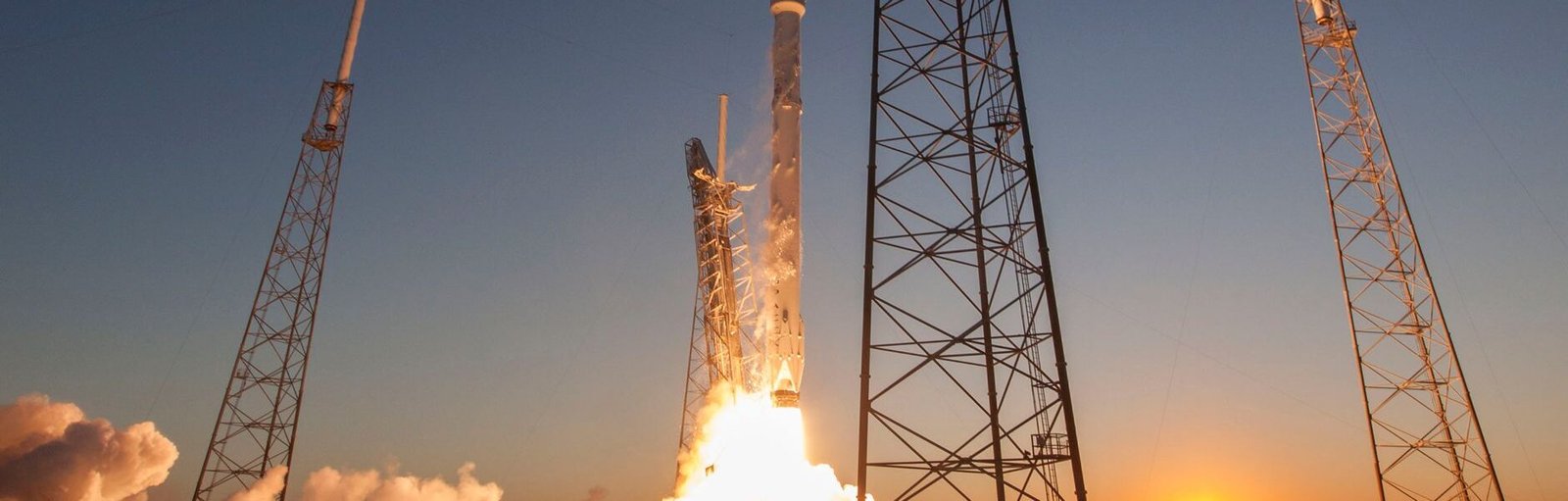

SpaceX Falcon 9 launch marked a significant achievement as it successfully deployed 21 military satellites into orbit. This mission underscores the growing importance of satellite technology in national security.
Overview of the SpaceX Falcon 9 Launch
The recent SpaceX Falcon 9 launch marked another milestone in the company’s impressive track record of delivering payloads into orbit. This mission successfully deployed 21 military satellites, showcasing the reliability and efficiency of SpaceX’s technology. The launch took place from Cape Canaveral, Florida, and was part of a broader initiative to enhance military capabilities through advanced satellite systems.
With each Falcon 9 launch, SpaceX demonstrates its commitment to innovation and reusability. The first stage of the rocket returned safely to Earth, landing on a drone ship in the Atlantic Ocean, a testament to the engineering prowess that allows for cost-effective access to space. This particular mission was crucial for national security, as the satellites are designed to improve communication and surveillance for various defense operations.
In addition to the military applications, this launch also highlights the growing collaboration between private aerospace companies and government entities. By leveraging the capabilities of the Falcon 9, the U.S. military aims to stay ahead in the rapidly evolving landscape of global defense technology.
As the demand for satellite services continues to grow, the success of the SpaceX Falcon 9 launch further solidifies the company’s position as a leader in the aerospace industry. Looking ahead, SpaceX plans to continue its ambitious launch schedule, aiming to meet the needs of both commercial and military customers.
Significance of Military Satellites
The recent SpaceX Falcon 9 launch has underscored the importance of military satellites in modern defense and communication. These satellites play a critical role in a variety of military operations and strategic planning.
Military satellites serve several key functions, including:
- Surveillance and Reconnaissance: They provide real-time intelligence, allowing for better situational awareness and informed decision-making.
- Communication: Secure and reliable communication links are essential for coordinating operations and relaying information between forces.
- Navigation and Timing: Precise positioning and timing capabilities support various military operations, from targeting to troop movements.
With the successful deployment of 21 military satellites during the SpaceX Falcon 9 launch, the U.S. military is enhancing its technological edge. This advancement not only bolsters national security but also ensures that the military can effectively respond to emerging threats in an increasingly complex geopolitical landscape.
Moreover, the integration of cutting-edge technology in these satellites allows for improved capabilities, such as advanced data processing and enhanced resilience against potential adversarial efforts to disrupt communications. As military operations become more reliant on space-based assets, the significance of launches like the SpaceX Falcon 9 cannot be overstated.
Key Features of the Falcon 9 Rocket
The SpaceX Falcon 9 launch has become synonymous with reliability and innovation in the aerospace industry. This rocket is designed with several key features that contribute to its impressive track record of successful missions.
- Reusable First Stage: One of the most groundbreaking characteristics of the Falcon 9 is its reusable first stage. This innovation significantly reduces costs and increases the frequency of launches, allowing SpaceX to serve a broader range of clients.
- High Payload Capacity: The Falcon 9 can deliver up to 22,800 kilograms to low Earth orbit, making it ideal for a variety of missions, including the recent deployment of 21 military satellites.
- Advanced Propulsion System: The rocket is powered by nine Merlin engines in its first stage, providing exceptional thrust and efficiency. This advanced propulsion system enables the Falcon 9 to achieve orbit with precision.
- Smart Technology: Equipped with cutting-edge avionics and autonomous landing capabilities, the Falcon 9 can perform complex maneuvers during flight and return to a designated landing zone, further enhancing its reusability.
- Rapid Turnaround: SpaceX has streamlined its launch processes, allowing for quick turnaround times between missions, which is critical in meeting the demands of both commercial and military customers.
These features collectively highlight why the Falcon 9 remains a preferred choice for satellite launches, including the recent successful mission involving military satellite deployment.
Mission Timeline and Details
The SpaceX Falcon 9 launch took place on November 1, 2023, marking a significant milestone in the deployment of military satellites. The meticulously planned mission commenced at 10:00 AM EST from Cape Canaveral Space Force Station. The countdown proceeded smoothly, with all systems reporting nominal status.
As the Falcon 9 rocket ascended into the sky, it successfully completed its first stage separation approximately two minutes into the flight. This critical phase of the mission is crucial for ensuring the payload reaches its intended orbit. The rocket’s first stage then performed a flawless landing on the autonomous drone ship stationed in the Atlantic Ocean, showcasing SpaceX’s ability to reuse rocket components.
Following the first stage separation, the second stage ignited, propelling the 21 military satellites to their designated orbits. The deployment of the satellites was executed in a precise sequence, with the entire process taking roughly 15 minutes. Each satellite is designed to enhance various military operations, providing critical data and communication capabilities.
Upon successful insertion into orbit, mission control celebrated the achievement, highlighting the importance of these satellites in bolstering national security. This successful Falcon 9 launch further demonstrates SpaceX’s leadership in the aerospace industry, particularly in supporting government and military initiatives.
Future Plans for SpaceX Launches
As SpaceX continues to solidify its position in the aerospace industry, the company has ambitious plans for future launches, particularly with the Falcon 9 rocket. Following the successful deployment of 21 military satellites, SpaceX is not resting on its laurels. The company aims to expand its launch capabilities and increase the frequency of missions.
In the coming years, SpaceX is set to:
- Enhance rocket reusability: SpaceX plans to improve the refurbishment process for the Falcon 9, allowing for quicker turnarounds between launches.
- Broaden satellite deployment: The company is looking to partner with various private and government entities to launch additional satellites, increasing the overall payload capacity of the Falcon 9.
- Develop new technology: Investment in next-generation technology will play a crucial role in optimizing the performance of the Falcon 9, ensuring it remains competitive in the rapidly evolving space market.
- Expand international missions: SpaceX intends to extend its services beyond the United States, targeting international clients who require reliable access to space.
With these plans, the future looks bright for SpaceX and its Falcon 9 launch system. As the company pushes boundaries in space exploration and satellite deployment, it is poised to meet the growing demands of both military and commercial sectors.
Expert Opinions on Satellite Deployment
Experts in aerospace and satellite technology have expressed their enthusiasm regarding the recent SpaceX Falcon 9 launch, which successfully deployed 21 military satellites into orbit. This milestone not only showcases the reliability of the Falcon 9 rocket but also highlights the increasing demand for efficient satellite deployment in modern defense strategies.
Dr. Emily Carter, an aerospace engineer, noted, “The Falcon 9’s ability to carry such a large payload with precision is indicative of its advanced design and engineering. This launch demonstrates that SpaceX is setting new standards in the industry.”
Furthermore, military analysts have pointed out the strategic importance of the satellites deployed. Lt. Gen. Michael Roberts, a defense expert, remarked, “These satellites will enhance our surveillance capabilities and improve communication networks, crucial for national security.”
Many experts agree that the successful SpaceX Falcon 9 launch serves as a pivotal moment in the evolution of satellite technology. Dr. Sarah Lin, a prominent space policy researcher, emphasized, “The effectiveness of this mission will likely encourage other private companies to invest in similar technologies, leading to a new era of competition in the space industry.”
In summary, the recent launch is not just a triumph for SpaceX but also a significant advancement in the deployment of military satellites, promising enhanced operational effectiveness for defense initiatives worldwide.
Challenges Faced During the Launch
The recent SpaceX Falcon 9 launch was not without its challenges, which tested the resilience and adaptability of the mission team. Several factors contributed to the complexities faced before and during the launch.
- Weather Conditions: Unfavorable weather patterns were a significant concern leading up to the launch. High winds and unpredictable cloud cover nearly delayed the scheduled liftoff, forcing the team to make last-minute adjustments and monitoring decisions.
- Technical Glitches: In the final countdown, a minor technical issue was detected in one of the rocket’s systems. Engineers quickly diagnosed the problem and implemented a fix, demonstrating the team’s expertise and quick response capabilities.
- Coordination with Military Officials: Given that the mission involved deploying 21 military satellites, coordination with various military branches was essential. This required ensuring all systems were go, and communication lines were clear, adding an extra layer of complexity to the operation.
- Deployment Sequence: The deployment of 21 satellites in a specific sequence posed its own challenges. The team had to ensure that each satellite could be effectively released into its designated orbit without interference.
Despite these challenges, the launch was ultimately a success, reaffirming the reliability of the SpaceX Falcon 9 rocket and its ability to carry out complex missions in the realm of satellite deployment.
Impact on National Security and Technology
The recent SpaceX Falcon 9 launch has significant implications for national security and technological advancement. By successfully deploying 21 military satellites into orbit, this mission enhances the United States’ capabilities in various defense and intelligence operations.
As global threats evolve, the need for advanced satellite technology becomes increasingly critical. The satellites launched by SpaceX are designed to improve communication, surveillance, and reconnaissance capabilities for military personnel. This deployment is expected to bolster the U.S. military’s situational awareness, allowing for quicker and more informed decision-making in response to emerging challenges.
The integration of these satellites into existing systems is anticipated to create a more robust network that can withstand adversarial threats. Moreover, this launch underscores the importance of public-private partnerships in advancing national security interests. SpaceX’s innovative approach not only reduces costs but also accelerates the pace of satellite deployment.
In addition, the technological advancements demonstrated by the Falcon 9 continue to set new standards in the aerospace industry. The vehicle’s reliability and efficiency have attracted attention not only from military agencies but also from commercial sectors looking to leverage satellite technology for various applications.
- Enhanced Communication: Improved military communication channels.
- Increased Surveillance: Better monitoring of potential threats.
- Stronger Partnerships: Collaboration between private and public sectors.
The successful SpaceX Falcon 9 launch thus represents a pivotal moment for national security, positioning the U.S. to respond effectively in an increasingly complex global landscape.
The recent SpaceX Falcon 9 launch demonstrated remarkable efficiency and reliability as it successfully deployed 21 satellites into orbit. This achievement further solidifies the SpaceX Falcon 9 launch as a critical component in the future of satellite technology and space exploration.
Photo by SpaceX on Pexels
References
You might also like
DDR4 RAM upgrades: Worst Time for Tech Enthusiasts · Is Infinix GT 50 Pro the Best Smartphone Launch in India? · Crunchyroll webtoons: What are the best upcoming anime?