
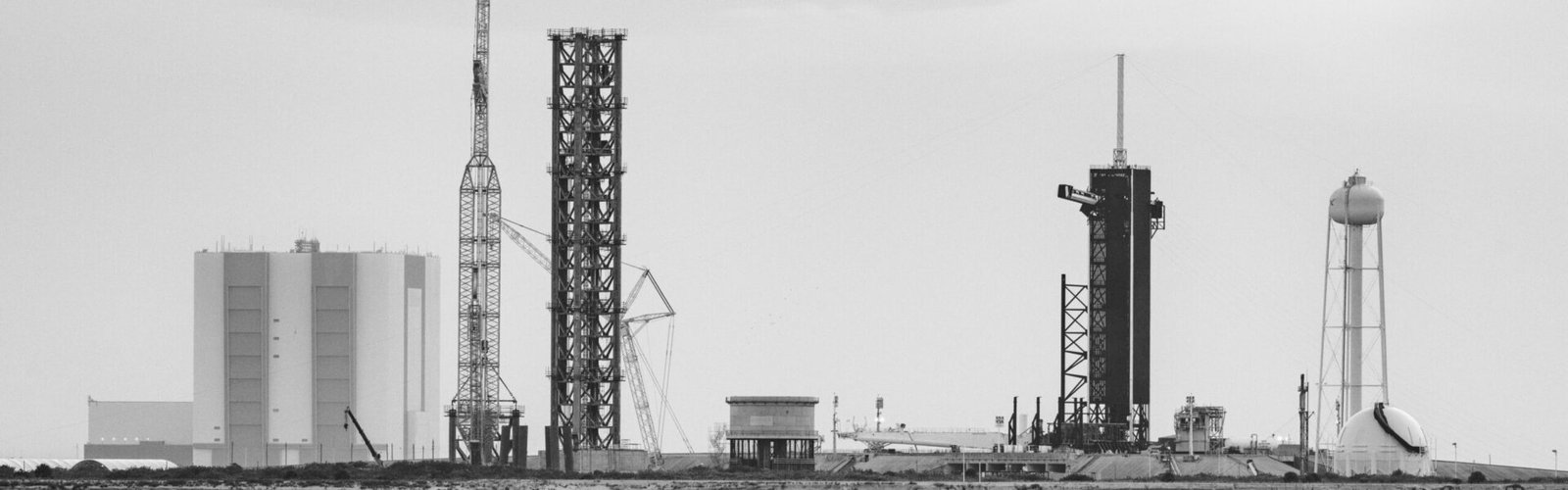

SpaceX Starship launch successfully deployed satellites into orbit for the first time ever. This groundbreaking achievement showcases the potential of SpaceX’s innovative technology in space exploration.
Overview of the SpaceX Starship launch
The recent SpaceX Starship launch marked a significant milestone in space exploration, as the company successfully deployed satellites into orbit for the first time. This launch, part of SpaceX’s ambitious plans, showcases the capabilities of the Starship megarocket and its potential impact on satellite deployment.
One of the key features of the Starship is its ability to carry a substantial payload, which is crucial for launching multiple satellites in a single mission. The launch demonstrated the rocket’s impressive power and efficiency, raising questions about its effectiveness compared to traditional satellite deployment methods.
During the event, several satellites were deployed, providing real-time data and imagery, which captivated audiences worldwide. The mission was broadcast live, allowing viewers to witness the sophisticated technology at work.
As the space industry evolves, the SpaceX Starship launch may redefine standards for satellite deployment. Industry experts are considering various aspects, including:
- Cost-effectiveness of using Starship for launches
- Time efficiency compared to conventional methods
- Environmental impact of increased launches
With ongoing advancements, the potential of the Starship to revolutionize satellite deployment continues to unfold.
Significance of satellite deployment
The significance of satellite deployment has soared in recent years as the demand for global connectivity and advanced technological solutions continues to grow. With the advent of innovative launch systems like the SpaceX Starship launch, deploying satellites into orbit has become increasingly efficient and cost-effective.
Satellites play a crucial role in various sectors, including:
- Telecommunications: Providing internet and mobile services to remote and underserved areas.
- Weather monitoring: Enhancing forecasting capabilities and tracking climate changes.
- Navigation: Supporting GPS systems essential for transportation and logistics.
- Earth observation: Offering valuable data for disaster management, agriculture, and environmental monitoring.
The ability to deploy multiple satellites in a single launch not only reduces costs but also accelerates the pace of innovation in satellite technology. The SpaceX Starship launch represents a significant milestone in this evolution, showcasing the potential to revolutionize how we approach satellite deployment. As more companies and organizations seek to leverage satellite capabilities, the efficiency and reliability of launch systems like Starship will be pivotal in shaping the future of space exploration and global communications.
Technical details of the launch
The recent SpaceX Starship launch marked a significant milestone in satellite deployment technology. This launch showcased the capabilities of the Starship megarocket, which is designed to transport a variety of payloads into orbit. The mission successfully deployed a series of satellites, demonstrating not only the rocket’s power but also its precision.
Key technical aspects of the launch included:
- Payload Capacity: The Starship can carry up to 100 metric tons to low Earth orbit, making it one of the most powerful rockets ever built.
- Reusable Design: With its fully reusable architecture, SpaceX aims to significantly reduce the cost of access to space, allowing for more frequent satellite launches.
- Launch Sequence: The launch featured a carefully orchestrated sequence, including multiple engine burns that ensured precise deployment of satellites at their intended orbits.
- Telemetry and Tracking: Advanced tracking systems were employed to monitor the satellites’ deployment and orbital insertion, providing real-time data to mission control.
As the SpaceX Starship launch unfolds, it raises questions about the future of satellite deployment and whether this approach could redefine industry standards and capabilities.
Future missions for SpaceX
As SpaceX continues to push the boundaries of space exploration, future missions for the SpaceX Starship launch are already in the planning stages. The successful deployment of satellites during its recent launch marks a significant milestone, paving the way for more advanced missions that could expand humanity’s reach into the cosmos.
Looking ahead, several key initiatives are set to utilize the capabilities of the Starship. These include:
- Interplanetary Missions: SpaceX aims to send missions to Mars and beyond, leveraging the Starship’s large payload capacity and reusability.
- Global Internet Coverage: The deployment of satellites for Starlink is expected to accelerate, with the goal of providing high-speed internet access across the globe.
- Scientific Research: Future launches could support a variety of scientific missions, including astronomy and Earth observation, by deploying advanced satellite technology.
- Commercial Launches: SpaceX is exploring partnerships with private companies for satellite deployment, creating opportunities for commercial space ventures.
With these ambitious plans, the SpaceX Starship launch is positioned to revolutionize not just satellite deployment but the entire landscape of space travel and exploration.
Public reaction to the launch
The recent SpaceX Starship launch has generated significant public interest, prompting a wide range of reactions from both space enthusiasts and the general public. Many viewers expressed excitement at witnessing the megarocket successfully deploy satellites into orbit for the first time. Social media platforms were abuzz with videos and images of the event, showcasing the impressive capabilities of the Starship.
Some fans of space exploration highlighted the launch as a historic moment, emphasizing the potential for future advancements in satellite deployment and space travel. One Twitter user remarked that “this is just the beginning of a new era in space logistics.” Others shared their awe at the engineering marvel that is the Starship, praising SpaceX for pushing the boundaries of technology.
However, not all reactions were positive. Critics have raised concerns about the environmental impact of such large-scale launches and the concentration of satellite networks in low Earth orbit. This debate has sparked discussions about the sustainability of space exploration and the responsibilities of private companies.
Overall, the SpaceX Starship launch has ignited both enthusiasm and skepticism, reflecting the complexities of modern space endeavors.
By Charles Boyer via Openverse
References
Related stories