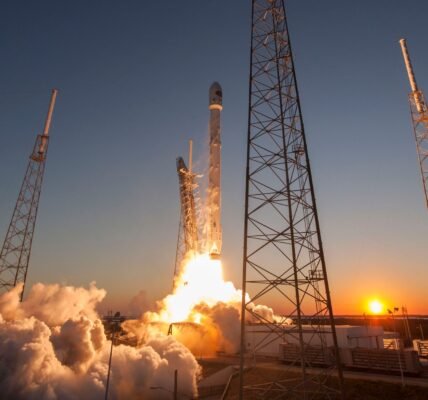


SpaceX Starship test flight has successfully completed its 15th mission, showcasing the company’s advancements in space technology. This milestone brings us closer to future interplanetary travel.
Overview of the 15th Starship Test Flight
SpaceX has achieved a significant milestone with the successful launch of its 15th Starship test flight. This event marks a critical step in the company’s ongoing mission to develop a fully reusable spacecraft capable of interplanetary travel. The test flight showcased several key features and improvements made since previous launches.
During this flight, the Starship demonstrated enhanced performance in various phases, including liftoff, ascent, and landing. Notably, the vehicle’s upgraded engines performed flawlessly, contributing to the overall success of the mission. Engineers monitored a series of telemetry data in real-time to evaluate the spacecraft’s behavior under different conditions.
The results from this test flight will influence future designs and operational procedures for the Starship program. With each successful flight, SpaceX moves closer to its ambitious goal of establishing a sustainable human presence on Mars and beyond.
- Improved engine performance
- Real-time telemetry monitoring
- Key data for future missions
Key Milestones Achieved by SpaceX
SpaceX has marked significant milestones during its recent Starship test flight, showcasing the engineering prowess and innovative spirit of the company. Some key achievements include:
- Successful Lift-Off: The Starship vehicle achieved a successful launch, demonstrating the effectiveness of its design and propulsion systems.
- Optimal Flight Path: The spacecraft followed a carefully planned trajectory, allowing it to gather crucial data for future missions.
- Stage Separation: For the first time in the test series, the booster and spacecraft performed a successful separation, a critical step for future crewed missions.
- Data Collection: The flight provided extensive telemetry data, which will be invaluable for refining the Starship design ahead of its next test flight.
- Public Engagement: The launch captured the attention of space enthusiasts worldwide, reinforcing SpaceX’s role in the future of space exploration.
These accomplishments highlight the potential of the SpaceX Starship test flight as a precursor to more ambitious interplanetary missions.
The Future of SpaceX Starship Program
The recent success of the SpaceX Starship test flight marks a significant milestone for the company and its ambitious plans for the future of space exploration. With each test, SpaceX continues to gather invaluable data that will enhance the performance and reliability of the Starship system.
Looking ahead, the following objectives are crucial for the program’s evolution:
- Commercial Launches: SpaceX aims to secure contracts for missions that will utilize Starship’s capabilities for satellite deployment and interplanetary travel.
- Human Spaceflight: Future test flights will focus on crewed missions to the Moon and Mars, paving the way for long-term human presence in space.
- Reusable Technology: Enhancing reusability will significantly lower the cost of space travel and increase the frequency of launches.
As the SpaceX Starship program advances, it sets the foundation for a new era of exploration and innovation in the aerospace industry.
Challenges Faced During the Test Flight
The recent SpaceX Starship test flight showcased significant achievements, but it was not without its challenges. Throughout the mission, the team encountered several technical hurdles that tested their resilience and problem-solving skills.
- Launch Pad Issues: Early in the countdown, minor technical glitches on the launch pad delayed the liftoff, causing concern among the engineers.
- Weather Conditions: Unfavorable weather patterns threatened the launch window, requiring the team to monitor conditions closely.
- Telemetry Data: During the flight, there were intermittent issues with telemetry data transmission, which made real-time monitoring difficult.
- Engine Performance: One of the engines showed reduced thrust, raising alarms about the rocket’s overall performance during ascent.
Despite these obstacles, the SpaceX Starship test flight ultimately demonstrated the company’s ability to adapt and innovate, paving the way for future missions.
Expert Opinions on SpaceX’s Progress
As the dust settles on the recent SpaceX Starship test flight, experts are weighing in on the significance of this achievement for future space exploration. Many believe that the successful launch marks a pivotal moment in the evolution of space travel.
- Dr. Emily Carter, an aerospace engineer, stated, “This flight demonstrates SpaceX’s ability to overcome technical challenges and refine their technology.”
- Professor Alan Chen, a space policy analyst, added, “Each test flight brings us closer to sustainable missions beyond Earth, especially for Mars.”
- Lisa Ramirez, a former NASA astronaut, emphasized the importance of such advancements, saying, “The successful test flights will pave the way for future human exploration.”
Overall, the consensus among experts is clear: the latest SpaceX Starship test flight not only showcases remarkable engineering but also sets the stage for ambitious future missions.
Comparing SpaceX with Other Space Agencies
As SpaceX continues to push the boundaries of aerospace technology, its achievements with the Starship test flight stand in stark contrast to other space agencies. While NASA has a long history of successful missions, their approach often involves longer timelines and extensive planning.
In comparison, SpaceX’s rapid iteration and testing cycles allow for quicker advancements. Key differences include:
- Launch Frequency: SpaceX conducts frequent test flights, which enhances learning and adaptation.
- Cost Efficiency: The company’s focus on reusability helps lower costs significantly.
- Innovation Pace: SpaceX prioritizes technological innovation, often outpacing traditional agencies.
Despite its challenges, the recent SpaceX Starship test flight demonstrates a successful model that may inspire future missions across the globe. Other space organizations are beginning to take note of SpaceX’s unique approach to space exploration.
What’s Next for SpaceX and Starship?
As SpaceX celebrates the success of its 15th Starship test flight, the company is already looking ahead to the next phases of its ambitious program. With each test, SpaceX is gathering invaluable data that will inform future missions and enhance the reliability of the Starship system.
In the coming months, SpaceX plans to:
- Refine Starship Designs: Utilizing insights gained from the latest test flight to improve the vehicle’s performance.
- Increase Flight Frequency: Aiming for more regular test flights to expedite development and validation of the Starship program.
- Expand Mission Objectives: Preparing for missions that include crewed flights and deeper space exploration.
- Collaborate with NASA: Continuing partnerships to support lunar and Martian exploration initiatives.
The future looks promising for SpaceX and Starship as they push the boundaries of space travel.
The recent SpaceX Starship test flight has demonstrated the vehicle’s capabilities and reliability for future missions. With each successful launch, the SpaceX Starship test flight paves the way for deeper exploration of our solar system.
Photo by Pixabay on Pexels
References
You might also like