
ULA Vulcan rocket failure has occurred after liftoff, resulting in the loss of 40 Amazon satellites. This incident raises concerns about the reliability of new space technologies.
Overview of the ULA Vulcan rocket
The ULA Vulcan rocket, a groundbreaking launch vehicle developed by United Launch Alliance, was designed to usher in a new era of space exploration and satellite deployment. With its advanced technology and innovative features, it was anticipated to be a reliable workhorse for various missions, including those associated with major companies like Amazon.
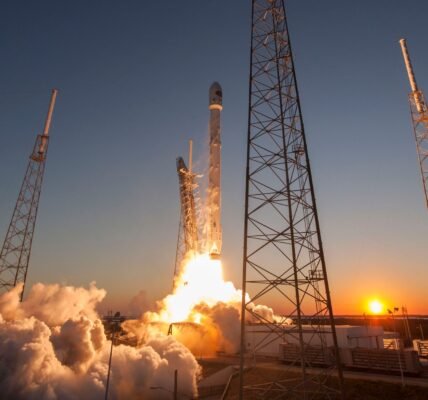
On its recent flight, however, the ULA Vulcan rocket experienced a catastrophic failure shortly after liftoff. This incident resulted in the loss of 40 Amazon satellites, a significant setback for the tech giant’s ambitious plans to expand its satellite internet services. The ULA Vulcan rocket was supposed to be a pivotal component in delivering high-speed internet to underserved areas around the globe.
The failure has raised concerns about the reliability of new launch systems and has prompted discussions within the aerospace community regarding the complexities involved in modern rocket engineering. As ULA works to determine the cause of the ULA Vulcan rocket failure, industry experts are closely monitoring the situation, eager to learn from this incident and ensure the future success of space missions.
Impact on Amazon’s satellite network
The recent ULA Vulcan rocket failure has had significant repercussions for Amazon’s ambitious satellite network. With the loss of 40 satellites intended for the company’s Project Kuiper, the setback raises concerns about the timeline and viability of expanding internet access worldwide.
The failure occurred shortly after liftoff, causing not only a financial blow but also delaying the launch schedule for Amazon’s satellite constellation. This constellation aims to provide high-speed internet to underserved regions, making the ULA Vulcan rocket’s failure particularly impactful.
Amazon’s plans included:
- Expanding broadband coverage to rural and remote areas.
- Enhancing overall internet connectivity and competition in the market.
- Supporting global e-commerce and cloud service initiatives.
As the company assesses the implications of the loss, stakeholders are concerned about how this delay may affect Amazon’s broader strategic goals. The setback not only puts pressure on Amazon to accelerate future launches but also raises questions about the reliability of their chosen launch provider, ULA.
Details of the launch failure
The recent launch of the ULA Vulcan rocket ended in a catastrophic failure shortly after liftoff, resulting in the loss of 40 Amazon satellites intended for the company’s Project Kuiper. This mission was highly anticipated, as it aimed to significantly expand Amazon’s satellite internet capabilities. However, the rocket encountered an unexpected anomaly during its ascent, which led to the mission being aborted and the satellites ultimately being lost.
According to ULA officials, preliminary analysis suggests a malfunction in the rocket’s second stage may have contributed to the failure. This incident marks a significant setback not only for ULA but also for Amazon, which has invested heavily in its satellite network to provide global internet coverage.
The implications of this failure are profound, as it delays Amazon’s plans to launch additional satellites crucial for building a competitive edge in the burgeoning satellite internet market. Stakeholders are now calling for a thorough investigation into the ULA Vulcan rocket failure to ensure that future launches can proceed without similar issues.
With the increasing demand for satellite internet services, the pressure is on ULA to quickly address the challenges faced in this mission.
Reactions from the space community
The recent ULA Vulcan rocket failure has sent shockwaves throughout the space community, sparking a wave of reactions from industry experts and enthusiasts alike. Many took to social media to express their disappointment over the loss of 40 Amazon satellites, which were crucial to the company’s ambitious Project Kuiper.
Experts emphasized the significance of this setback, with some stating that it could delay Amazon’s plans to provide global internet coverage. “This incident highlights the inherent risks of space exploration,” noted Dr. Emily Carter, a prominent aerospace engineer. “Every launch is a complex operation, and failures remind us of the challenges we face.”
Additionally, industry analysts raised concerns regarding the reliability of the ULA Vulcan rocket moving forward. “Trust in the rocket’s capabilities is essential for future missions,” stated Mark Jensen, an aerospace consultant. “This failure may lead to increased scrutiny on ULA’s launch processes.”
As the investigations into the ULA Vulcan rocket failure continue, the space community remains hopeful that lessons learned will drive improvements in future launches.
Future of ULA’s rocket program
The recent ULA Vulcan rocket failure has raised significant concerns about the future of ULA’s rocket program. Following the loss of 40 Amazon satellites, stakeholders are questioning the reliability and viability of the company’s launch capabilities.
ULA has long been a key player in the space industry, providing launch services for various government and commercial missions. However, this incident marks a critical setback that could alter the trajectory of their operations. As ULA works to determine the cause of the failure, several factors will likely influence the future of their rocket program:
- Investments in Research and Development: ULA may need to increase funding for R&D to enhance rocket reliability and performance.
- Regulatory Scrutiny: Increased oversight from regulatory bodies could impact ULA’s launch schedule and operations.
- Competitive Landscape: Other companies in the space sector may capitalize on ULA’s challenges, potentially capturing market share.
- Future Partnerships: Collaborations with organizations like Amazon will be essential for rebuilding trust and ensuring success in upcoming missions.
Ultimately, the ULA Vulcan rocket failure serves as a pivotal moment, prompting a reassessment of the company’s future in a rapidly evolving space industry.
Lessons learned from the incident
The recent ULA Vulcan rocket failure has highlighted several critical lessons for both United Launch Alliance and the broader aerospace industry. As stakeholders reflect on the incident, a few key takeaways have emerged.
- Thorough Pre-Launch Testing: The importance of rigorous testing protocols cannot be underestimated. Comprehensive assessments of all systems involved in the launch can help identify potential issues before liftoff.
- Real-Time Monitoring: Enhanced monitoring systems during launch could provide immediate insights into any anomalies, allowing for timely interventions or shutdowns if necessary.
- Collaboration Between Agencies: Increased cooperation among different aerospace entities can facilitate knowledge sharing and improve overall safety standards across the industry.
- Impact Assessment Procedures: Developing better strategies for assessing and mitigating the impacts of such failures on customers and stakeholders, like Amazon, is crucial for maintaining trust and minimizing disruption.
As ULA investigates the specifics of the failure, these lessons will be vital in ensuring the future reliability of the Vulcan rocket and preventing similar incidents from occurring. The road ahead will require a commitment to innovation and accountability.
Next steps for Amazon and ULA
In the wake of the ULA Vulcan rocket failure, both Amazon and ULA are reassessing their strategies moving forward. Amazon, which had invested significantly in the launch of its satellites, is facing pressure to adapt its plans for the Project Kuiper initiative. Key steps for the company include:
- Reviewing satellite deployment timelines: Amazon must evaluate the impact of the lost satellites on its overall schedule and consider alternative launch options.
- Engaging with stakeholders: Maintaining open lines of communication with investors and partners is crucial as Amazon navigates this setback.
- Establishing contingency plans: Developing backup strategies for satellite coverage and services will be essential to minimize disruption.
Meanwhile, ULA is focused on addressing the issues that led to the launch failure. The company has committed to a thorough investigation to identify root causes and improve future rocket performance. Experts anticipate that ULA may also enhance its testing protocols and invest in additional training for its teams. As both organizations work through this challenging period, the industry will be closely watching their next steps in response to the ULA Vulcan rocket failure.
The ULA Vulcan rocket failure has raised significant concerns about the future of commercial space endeavors. As Amazon reassesses its plans, the impact of the ULA Vulcan rocket failure will be felt across the industry.
Photo by Pixabay on Pexels
Where this came from
Persona 6 Update: Exciting Trailer Coming Soon · AI Innovations Competition: Easy Ways to Win Big Prizes · SpaceX Starship Test Flight: Proven Success for Future Missions