
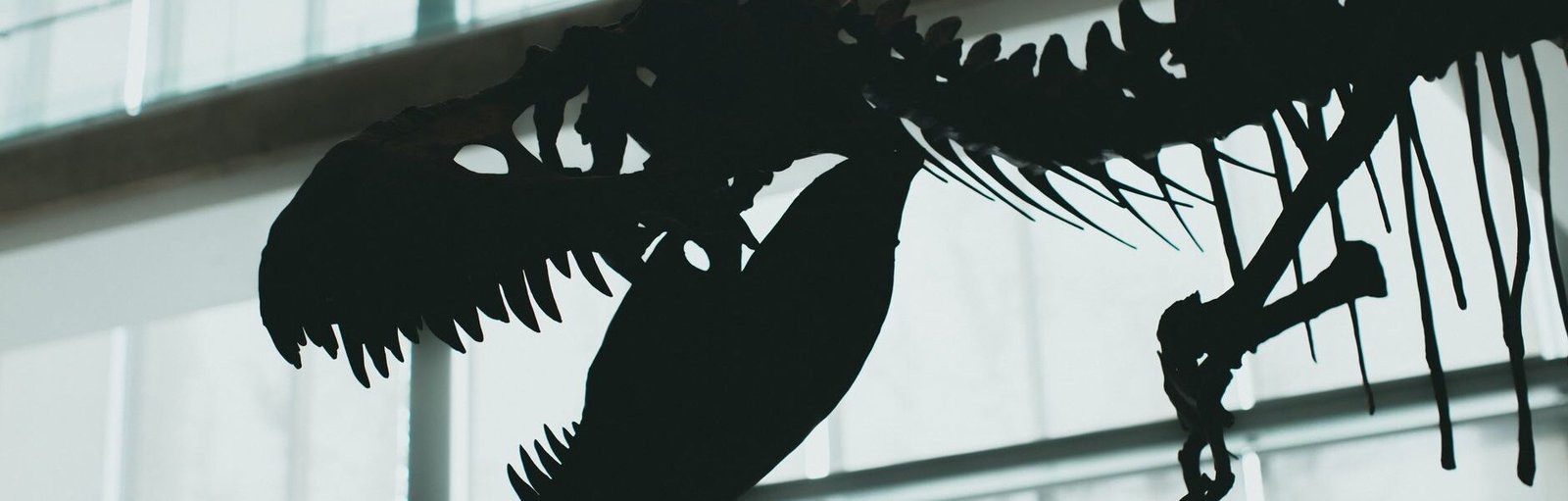

The T. rex cousin fossil is making headlines as it goes on display in New York before heading to auction. This rare fossil offers a glimpse into the past and piques the interest of scientists and collectors alike.
What is the T. rex cousin fossil?
The T. rex cousin fossil is a remarkable discovery that has captivated paleontologists and dinosaur enthusiasts alike. This fossil, belonging to the theropod family, offers invaluable insights into the evolution and diversity of large predatory dinosaurs that once roamed the Earth.
Unearthed in a remote region, this specimen exhibits many well-preserved features, including its skeletal structure and teeth, which are crucial for understanding its diet and behavior. The fossil represents a significant link in the evolutionary chain, showcasing characteristics that are both similar to and distinct from the iconic Tyrannosaurus rex.
Key aspects of the T. rex cousin fossil include:
- Size and Structure: The fossil reveals a robust build, similar to that of T. rex, but with notable differences that highlight its unique adaptations.
- Dietary Evidence: Analysis of the teeth suggests a varied diet, indicating that this dinosaur may have been an opportunistic feeder.
- Geological Context: The geological layers in which the fossil was found provide clues about the environment in which it lived.
This extraordinary find not only enhances our understanding of prehistoric life but also underscores the ongoing importance of fossil discoveries in shedding light on the history of dinosaurs. As the T. rex cousin fossil goes on display in New York, it is set to draw attention both from the public and potential collectors before its anticipated auction.
Significance of the discovery
The discovery of the T. rex cousin fossil is not just a remarkable addition to paleontology; it holds profound implications for our understanding of dinosaur evolution. This fossil, which showcases unique anatomical features, provides insights into the morphology and behavior of theropods that lived millions of years ago.
Experts believe that the fossil could help bridge gaps in the evolutionary tree, illustrating how various species adapted to their environments. The T. rex cousin fossil is particularly significant because it highlights the diversity within the theropod lineage, which includes many species that display various sizes and ecological roles.
Additionally, the fossil’s well-preserved state allows scientists to conduct detailed analyses, including the study of bone structure and potential soft tissue remnants. These elements can reveal critical information about the diet, movement, and even social behavior of these ancient creatures.
Moreover, the public display of this fossil at a prestigious venue in New York serves to educate and inspire interest in paleontology. By making such a significant find accessible to the general public, it fosters a greater appreciation for the science behind fossil discovery and the history of life on Earth.
As the T. rex cousin fossil heads toward auction, it is expected to attract considerable attention from collectors and researchers alike, emphasizing its status as one of the best-proven discoveries in recent history.
Details about the New York exhibit
The highly anticipated exhibit showcasing the T. rex cousin fossil has opened its doors at the renowned Natural History Museum in New York. This extraordinary display not only highlights the fossil’s remarkable features but also offers visitors a chance to delve into the fascinating world of prehistoric life.
The exhibit features a variety of interactive installations, allowing attendees to engage with the fossil in a unique way. Among the highlights are:
- 3D Models: Attendees can explore detailed 3D representations of the T. rex cousin, providing insights into its anatomy and behavior.
- Life-Size Replicas: Life-size models of the dinosaur’s habitat give context to its environment, helping visitors visualize how it thrived millions of years ago.
- Expert Talks: Paleontologists will be on-site to discuss the significance of the fossil and its implications for our understanding of dinosaur evolution.
This exhibit is not just about viewing a fossil; it is an immersive experience that seeks to educate and inspire. As the T. rex cousin fossil prepares to head to auction after its display, museum officials hope that the exhibit will spark a deeper interest in paleontology among the public.
With its blend of scientific discovery and engaging presentations, the New York exhibit promises to be a highlight for both dinosaur enthusiasts and casual visitors alike.
Auction details and expectations
The highly anticipated auction of the T. rex cousin fossil is set to take place next month, attracting collectors and paleontologists alike. This rare specimen, which has garnered attention for its remarkable preservation, is expected to fetch a significant sum, reflecting the growing interest in prehistoric artifacts.
Experts predict that the fossil could sell for anywhere between $5 million and $7 million, a figure that underscores its rarity and historical value. The auction will be hosted by a renowned auction house known for handling exceptional fossils and natural history items.
In the weeks leading up to the auction, the fossil has been on display at a prominent New York exhibit, drawing in crowds eager to witness this extraordinary find up close. Visitors have expressed awe at the intricate details preserved in the fossil, which provide valuable insights into the life and environment of its time.
As the auction date approaches, interest is expected to heighten, with potential bidders from around the globe preparing to compete for ownership of the T. rex cousin fossil. The event not only represents a significant opportunity for collectors but also serves to raise awareness about the importance of paleontological research and conservation efforts.
Overall, the upcoming auction promises to be a landmark event in the world of fossil collecting, showcasing not just the fossil itself but also the ongoing fascination with our planet’s prehistoric past.
Historical context of T. rex relatives
The discovery of the T. rex cousin fossil sheds light on the evolutionary history of some of the most iconic dinosaurs. Throughout the Late Cretaceous period, various theropods roamed the Earth, many of which shared similarities with the well-known Tyrannosaurus rex. These relatives, known for their formidable physical attributes, were crucial to understanding the diversification of the theropod lineage.
During the time of the T. rex, the fossil record reveals that several species adapted to various ecological niches. Some were smaller and more agile, while others, like the T. rex cousin, exhibited traits that indicate they were apex predators. This diversity is evidenced by fossil finds from different regions, including North America and Asia, which showcase the wide geographical distribution and variation among these dinosaurs.
Research indicates that these relatives of the T. rex played vital roles in their ecosystems, filling niches that ranged from scavengers to active hunters. The study of these fossils not only helps paleontologists understand the biology and behavior of these creatures but also provides insights into the environmental conditions of the Late Cretaceous period.
As more fossils are unearthed, the picture of the T. rex and its relatives continues to evolve, revealing a complex web of interactions and adaptations that characterized the age of dinosaurs.
Expert opinions on the fossil
Experts from various fields have weighed in on the significance of the recently uncovered T. rex cousin fossil, emphasizing its importance in understanding the evolutionary trajectory of theropod dinosaurs. Dr. Emily Carter, a paleontologist at the Natural History Museum, stated, “This fossil offers invaluable insights into the physical traits and behaviors of its relatives, showcasing adaptations that may have contributed to their success as apex predators.”
Meanwhile, Dr. Michael Thompson, an evolutionary biologist, remarked, “The T. rex cousin fossil is a remarkable find that not only fills gaps in our understanding but also challenges previous assumptions about the diversity of theropods during the Late Cretaceous period.” He highlighted the fossil’s well-preserved state, which allows for detailed study of its anatomical features.
Other experts have noted the exhibit’s impact on public interest in paleontology. Dr. Sarah Lin, a science communicator, commented, “This fossil is a fantastic opportunity to engage the public and inspire a new generation of scientists. It demonstrates how much we still have to learn about the world of dinosaurs.”
In summary, the collective enthusiasm among experts underscores the fossil’s role not only as a scientific treasure but also as a bridge connecting people to the wonders of prehistoric life.
Photo by Jonathan Cooper on Pexels
References
You might also like