
AI and robotics integration is becoming a crucial focus for Empower India as they pursue strategic partnerships to enhance market growth.
Understanding AI and Robotics Integration
The integration of AI and robotics is transforming industries across the globe, and India is poised to benefit significantly from this technological evolution. This integration refers to the seamless collaboration between artificial intelligence systems and robotic hardware, enabling machines to perform tasks with enhanced efficiency and accuracy.
India’s burgeoning tech landscape, characterized by a growing pool of skilled professionals and innovative startups, creates an ideal environment for the AI and robotics integration. As organizations adopt these advanced technologies, they can streamline operations, reduce costs, and enhance productivity.
Key sectors such as manufacturing, healthcare, and agriculture are witnessing remarkable improvements due to this integration. For instance:
- Manufacturing: AI-driven robots can analyze production data in real-time, optimizing workflows and minimizing downtime.
- Healthcare: Robotics combined with AI can assist in surgeries and patient care, ensuring precision and better outcomes.
- Agriculture: Automated systems utilize AI for monitoring crop health, predicting yields, and facilitating efficient resource management.
As India continues to embrace the AI and robotics integration, it is setting the stage for a smarter, more efficient future across various sectors.
Empower India’s Strategic Partnerships
As India seeks to strengthen its foothold in the global technology landscape, strategic partnerships have emerged as a critical component in the journey toward successful AI and robotics integration. By collaborating with industry leaders and research institutions, India aims to harness cutting-edge innovations that can propel its economy forward.
These partnerships focus on several key areas:
- Research and Development: Joint ventures between Indian firms and international tech companies facilitate the exchange of knowledge and resources, fostering a culture of innovation.
- Skill Development: Collaborations with educational institutions ensure that the workforce is equipped with the necessary skills to thrive in an AI-driven economy.
- Market Expansion: Strategic alliances enable local players to gain access to global markets, enhancing competitiveness and visibility.
Additionally, the integration of AI and robotics is expected to streamline operations across various sectors, including manufacturing, healthcare, and agriculture. By leveraging these technologies, India can not only improve efficiency but also create sustainable solutions to address pressing challenges.
Ultimately, the emphasis on partnership-led models positions India to emerge as a leader in the rapidly evolving landscape of AI and robotics integration.
The Future of AI and Robotics in India
The integration of AI and robotics is poised to revolutionize various sectors in India, offering unprecedented opportunities for growth and innovation. As the nation embraces this technological transformation, several key areas stand to benefit significantly.
- Manufacturing: Automation powered by AI and robotics is expected to enhance productivity and efficiency in manufacturing processes, reducing costs and increasing output.
- Agriculture: Smart farming techniques, utilizing AI-driven analytics and robotic systems, can optimize resource use and improve crop yields, addressing food security concerns.
- Healthcare: The integration of robotics in medical procedures, coupled with AI diagnostics, can lead to improved patient care and streamlined operations in healthcare facilities.
- Transportation: Autonomous vehicles and AI-based traffic management systems can significantly enhance urban mobility, reducing congestion and emissions.
Furthermore, the collaboration between government, private sectors, and educational institutions is crucial in fostering innovation and skill development. As India actively targets the AI and robotics integration market through a partnership-led model, the future looks bright. The nation stands on the brink of a technological renaissance that promises to empower its economy and society.
Challenges in Market Integration
The integration of AI and robotics within various sectors in India is not without its challenges. As Empower India aims to carve a niche in this evolving market, several hurdles need to be addressed.
- Infrastructure Limitations: A significant barrier is the lack of adequate infrastructure to support advanced AI and robotics technologies. Many regions still struggle with basic technological resources.
- Skill Gap: The current workforce may not possess the necessary skills to operate and manage AI and robotics systems. Addressing this skill gap through education and training programs is crucial.
- Regulatory Framework: The absence of clear regulations can hinder the adoption of AI and robotics. Policymakers need to establish guidelines that foster innovation while ensuring safety and ethical standards.
- Market Acceptance: There may be resistance from traditional industries to integrate AI and robotics into their operations, often due to fears of job displacement or the costs involved.
Overcoming these challenges is essential for the successful integration of AI and robotics in India. By addressing these issues, Empower India can pave the way for a more efficient and technologically advanced future.
AI and robotics integration is set to revolutionize various sectors in India, enhancing productivity and efficiency. By embracing AI and robotics integration, industries can harness advanced technologies to solve complex challenges and drive sustainable growth.
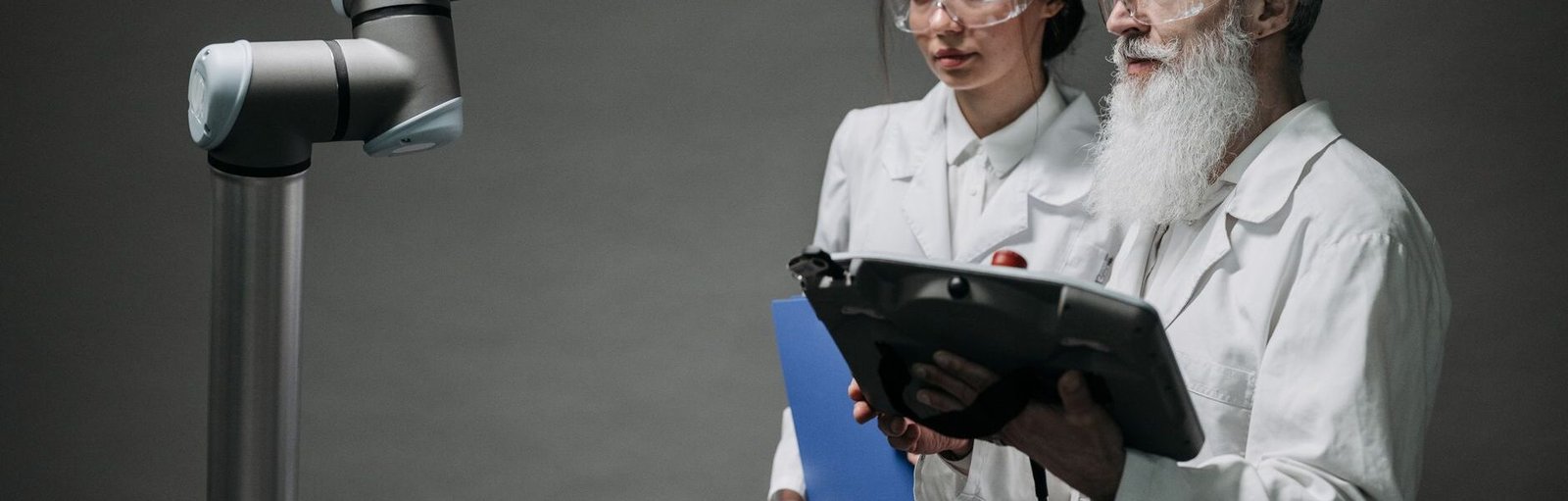
Photo by Pavel Danilyuk on Pexels
References
Related reading