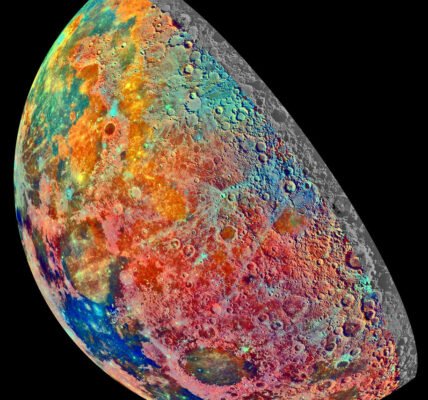
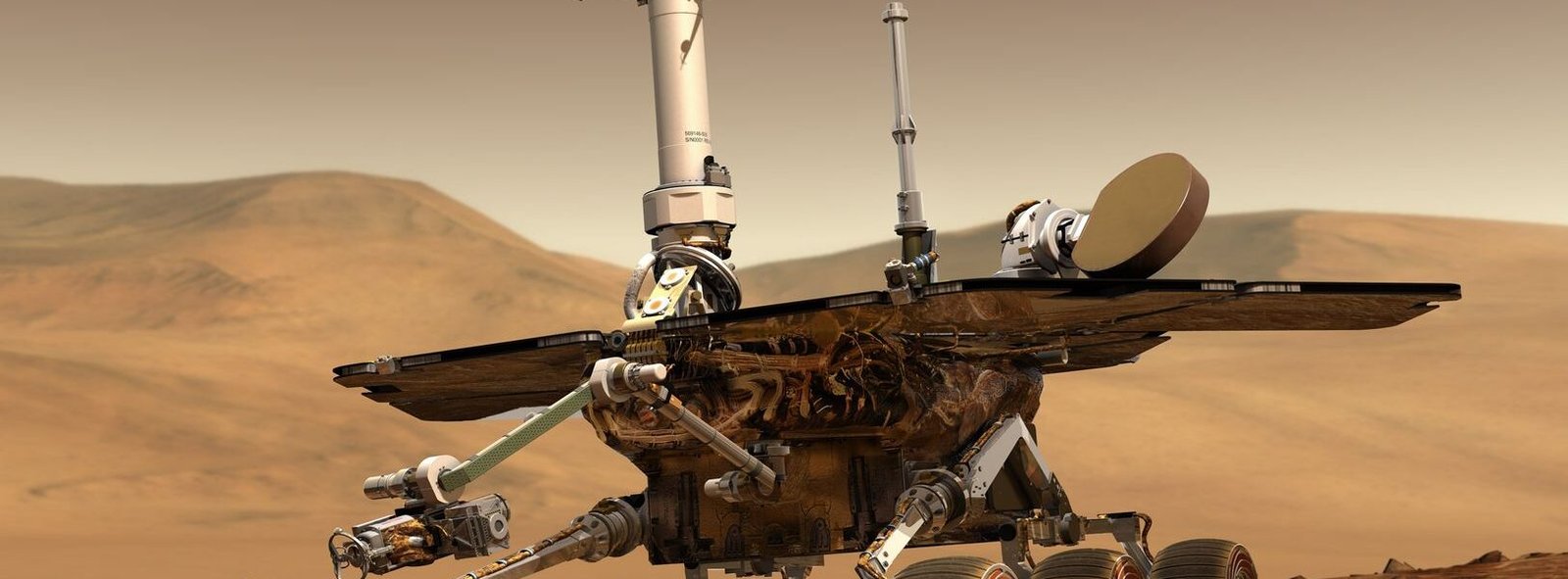

Japan Mars mission is set to explore the Martian moons and collect samples. This groundbreaking initiative marks a significant step in space exploration.
Overview of the Japan Mars mission
The Japan Mars mission, officially known as the Martian Moons Exploration (MMX) mission, aims to collect and return samples from the Martian moon Phobos. Launched on September 7, 2024, this ambitious project marks a significant milestone in space exploration, as it seeks to be the first to bring back material from a Martian moon.
Phobos, one of Mars’ two moons, is believed to hold secrets about the formation of the Martian system and the history of the planet itself. The mission’s primary objectives include:
- Sample Collection: MMX will land on Phobos, collect surface samples, and analyze them for scientific research.
- In-depth Analysis: The mission will study the moon’s composition to gain insights into the origins of the Martian moons and Mars.
- Return Journey: After gathering samples, the spacecraft will return to Earth, allowing scientists to study them in laboratories.
This Japan Mars mission is being hailed as a groundbreaking opportunity not only to advance our understanding of the Martian system but also to pave the way for future crewed missions to Mars. With the potential for significant discoveries, the MMX mission represents one of the best chances to obtain Martian samples and expand our knowledge of the Red Planet.
Objectives of the mission
The Japan Mars mission aims to achieve several key objectives that could significantly advance our understanding of the Martian moons and their potential for harboring life. One of the primary goals is to collect samples from Phobos, one of Mars’ two moons, and return them to Earth for analysis.
Scientists believe that studying these samples could provide crucial insights into the formation of Mars and its moons, as well as the history of the solar system. The mission will focus on the following objectives:
- Sample Collection: The mission is designed to land on Phobos, collect surface samples, and subsequently launch them back to Earth.
- Geological Analysis: Understanding the geological composition of Phobos will help determine whether it is an asteroid captured by Mars or a remnant from Mars’ formation.
- Search for Organic Materials: The mission will investigate the presence of organic compounds that could indicate past or present life forms.
- Testing New Technologies: The Japan Mars mission will serve as a testbed for new technologies that could be used in future interplanetary missions.
By achieving these objectives, the Japan Mars mission could be a pivotal step in Martian exploration, potentially providing the best chance yet to uncover the secrets of the Red Planet’s moons.
Technology used in the Mars mission
The Japan Mars mission employs cutting-edge technology designed to maximize efficiency and ensure the successful collection of Martian samples. Key components of the mission include:
- Advanced Robotics: The mission utilizes highly sophisticated robotic systems that can navigate the Martian terrain with precision. These robots are equipped with tools for sample collection and analysis.
- High-Resolution Imaging: State-of-the-art cameras will capture detailed images of the Martian surface, aiding in the identification of optimal sample sites. This technology enhances the mission’s ability to select scientifically valuable specimens.
- Sample Return Capsule: A specially designed capsule will secure the collected samples for their journey back to Earth. This capsule features advanced shielding to protect the samples from the harsh conditions of space travel.
- In-Situ Analysis Instruments: The mission includes instruments capable of conducting preliminary analyses of Martian soil and rock. These tools will provide immediate insights, assisting scientists in understanding the Martian environment.
As the Japan Mars mission progresses, the integration of these technologies represents a groundbreaking effort in planetary exploration. By focusing on Mars’ moons, this mission may offer the best chance for Martian samples and enhance our understanding of the Red Planet’s history and geology.
Potential discoveries from Martian samples
The Japan Mars mission, which aims to collect samples from the Martian moon Phobos, holds the potential for groundbreaking discoveries that could enhance our understanding of the Red Planet and its celestial companions. By studying these samples, scientists hope to uncover vital information about the formation and evolution of Mars as well as its moons.
Some key potential discoveries from Martian samples include:
- Geological Insights: Analyzing the composition of Phobos could reveal the processes that shaped Mars’ surface and its moons over billions of years.
- Astrobiological Potential: Investigating the samples may provide clues about the possibility of past life on Mars, especially if organic materials are present.
- Space Weathering Effects: Studying the consequences of cosmic radiation and solar wind on the Martian surface can help scientists understand how these factors influence planetary atmospheres.
- Resource Utilization: Samples might indicate the availability of resources that could support future human exploration and colonization efforts on Mars.
The Japan Mars mission thus represents a significant opportunity to advance our knowledge of not just Mars, but also of the broader solar system. As researchers eagerly await the results, the implications of these discoveries could reshape our understanding of planetary science and exploration.
International collaboration in space
The Japan Mars mission emphasizes the importance of international collaboration in space exploration. Various countries have joined forces to enhance the mission’s objectives, pooling resources, expertise, and technologies to achieve a common goal: retrieving samples from Mars’ moons, Phobos and Deimos. This collaborative effort is vital, as it allows nations to share knowledge and innovations that may lead to significant breakthroughs in our understanding of Mars and its potential for past life.
Key partnerships have been formed, including contributions from space agencies such as NASA and ESA. These agencies are providing crucial support through advanced instruments and data sharing. For instance, NASA’s experience with robotic missions and ESA’s expertise in planetary science have been invaluable to the Japan Mars mission.
Moreover, international collaboration extends beyond governmental agencies. Universities and private space organizations worldwide are also participating, fostering a global interest in space exploration. This pooling of talent and technology not only enhances the mission’s capabilities but also strengthens diplomatic ties and encourages peaceful cooperation in the quest for knowledge.
As the Japan Mars mission aims to gather Martian samples, the collaborative spirit displayed by multiple nations underscores the belief that working together can lead to greater achievements in understanding our solar system and its mysteries.
Future of Mars exploration
The future of Mars exploration is poised for significant advancements, particularly with the recent launch of the Japan Mars mission aimed at collecting samples from Mars’ moons. This groundbreaking initiative not only emphasizes Japan’s commitment to space exploration but also highlights the potential for international collaboration in uncovering the mysteries of the Martian system.
As scientists continue to analyze data from previous missions, the focus on Martian moons, Phobos and Deimos, is intensifying. The Japan Mars mission is set to provide unprecedented insights into the composition and history of these celestial bodies. By bringing back samples, researchers hope to answer critical questions about the origins of Mars and its moons, as well as the possibilities of life beyond Earth.
Looking ahead, several key factors will shape the future of Mars exploration:
- Technological advancements: Continued innovation in space technology will enhance our ability to explore and analyze Martian environments.
- International partnerships: Collaborative efforts among nations will foster knowledge sharing and resource pooling, leading to more comprehensive exploration strategies.
- Public interest and funding: Growing interest in space exploration can drive funding for ambitious missions, allowing for expanded research and discovery.
Ultimately, the Japan Mars mission represents a pivotal step in our quest to unravel the secrets of Mars and its moons, potentially marking the dawn of a new era in planetary exploration.
Photo by Pixabay on Pexels
Sources
Related reading