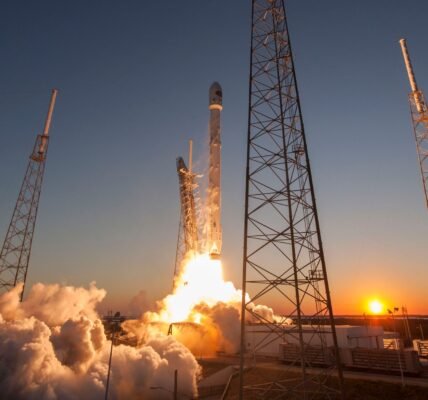

GSLV-F18 satellite launch is happening today, featuring the navigation satellite NVS-03. This mission underscores ISRO’s commitment to advancing India’s space capabilities.
Overview of the GSLV-F18 Mission
The GSLV-F18 satellite launch marks a significant milestone for the Indian Space Research Organisation (ISRO). This mission, conducted on [insert date], aims to deploy the Navigation with Indian Constellation (NavIC) satellite, named NVS-03, into geosynchronous transfer orbit. The GSLV-F18 is equipped with advanced technology that enhances its reliability and performance, showcasing ISRO’s growing expertise in satellite launch systems.
The mission’s primary objective is to expand India’s satellite navigation capabilities, contributing to a more robust navigation system that can provide accurate positioning services across the country and neighboring regions. NVS-03 will play a crucial role in various applications, including transportation, agriculture, and disaster management.
Key features of the GSLV-F18 mission include:
- Launch Vehicle: GSLV-F18 is designed to carry heavier payloads and has improved parameters over its predecessors.
- Satellite Specifications: NVS-03 is equipped with advanced atomic clocks and high-precision navigation signals.
- Mission Duration: The satellite is expected to operate for a minimum of 12 years, ensuring long-term service.
This GSLV-F18 satellite launch not only enhances India’s technological capabilities but also signifies ISRO’s commitment to advancing space exploration and satellite technology.
Importance of the NVS-03 Satellite
The launch of the GSLV-F18 carrying the NVS-03 satellite marks a significant milestone in India’s space endeavors. The NVS-03 satellite is part of the Navigation with Indian Constellation (NavIC) program, which aims to provide accurate positioning information services to users in India and the surrounding region.
This satellite enhances the existing navigation services and is crucial for applications in various sectors, including:
- Transportation: The NVS-03 satellite will improve navigation accuracy for ground, air, and maritime transport.
- Agriculture: Farmers can utilize precise location data to optimize farming practices and increase productivity.
- Disaster Management: Enhanced navigational capabilities can aid in emergency response and disaster relief efforts.
- Telecommunications: The satellite supports location-based services that are vital for modern communication systems.
Additionally, the GSLV-F18 satellite launch demonstrates ISRO’s continued commitment to advancing indigenous technology and fostering self-reliance in space exploration. As India steps further into the realm of satellite navigation, the NVS-03 will play a pivotal role in ensuring that the country remains at the forefront of this critical sector.
ISRO’s Recent Achievements
ISRO has consistently demonstrated its capability in advancing space technology through its recent achievements. The successful launch of the GSLV-F18 satellite is a testament to the organization’s commitment to innovation and excellence in satellite deployment. This mission not only reinforces India’s position in the global space community but also showcases ISRO’s ability to effectively develop and execute complex space missions.
Among ISRO’s notable achievements, there are several key milestones:
- Enhanced Launch Vehicle Technology: The GSLV series has seen significant improvements, allowing for heavier payloads and increased reliability.
- Successful Deployment of Navigation Satellites: The GSLV-F18 mission aims to bolster India’s navigation capabilities, reflecting the organization’s focus on strategic satellite systems.
- International Collaborations: ISRO has engaged in partnerships with various space agencies, facilitating technology exchange and collaborative projects.
- Advancements in Satellite Engineering: The GSLV-F18 satellite incorporates cutting-edge technology, demonstrating ISRO’s expertise in satellite design and manufacturing.
As the GSLV-F18 satellite launch continues to gain attention, it stands as a symbol of ISRO’s unwavering dedication to pushing the boundaries of space exploration and satellite technology.
What to Expect from the Launch
The upcoming GSLV-F18 satellite launch is set to be a significant event for the Indian Space Research Organisation (ISRO) and its ongoing commitment to enhancing navigation capabilities. As the launch approaches, several key expectations are emerging.
- Launch Window: The GSLV-F18 is scheduled for liftoff during a specific window, allowing for optimal conditions to ensure a successful mission.
- Payload Details: The GSLV-F18 will carry the NVS-03 satellite, which is designed to improve positioning services across India and neighboring regions.
- Technological Advancements: This mission will showcase advancements in launch vehicle technology, reflecting ISRO’s commitment to innovation and reliability.
- Monitoring and Tracking: Expect extensive monitoring of the launch and satellite deployment, with real-time updates available to the public.
- Future Implications: The success of the GSLV-F18 satellite launch will pave the way for future missions, further solidifying India’s position in the global space arena.
In summary, the GSLV-F18 satellite launch promises to be a smart and proven success, contributing significantly to India’s navigation capabilities and space exploration efforts.
Future of India’s Space Exploration
The recent GSLV-F18 satellite launch marks a significant milestone in India’s ongoing journey in space exploration. With each successful mission, the Indian Space Research Organisation (ISRO) demonstrates its commitment to advancing technology and enhancing the country’s capabilities in the field of space. The GSLV-F18 mission, specifically designed to deploy the NVS-03 navigation satellite, paves the way for further innovations and applications in satellite technology.
As India aims to expand its presence in the global space sector, the implications of this successful launch are far-reaching. The integration of the NVS-03 satellite into India’s navigation network is expected to improve accuracy and reliability for various sectors, including transportation, agriculture, and disaster management. Moreover, the GSLV-F18 mission showcases ISRO’s ability to develop and execute complex satellite launches with precision.
In the coming years, we can anticipate more ambitious projects from ISRO, including potential interplanetary missions and collaborations with international space agencies. As technology progresses and more satellites are launched, India’s position in the global space arena will undoubtedly strengthen, further contributing to the advancement of science and technology for the benefit of humanity.
References
Related reading