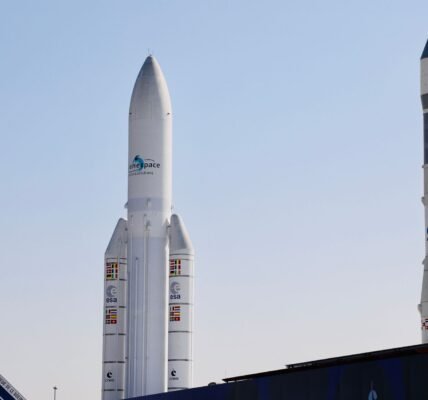


satellite-to-phone launch is on the horizon as Vodacom targets 2027 for this innovative service in South Africa. This initiative promises to enhance communication in remote areas.
Overview of Vodacom’s Satellite Plans
Vodacom has announced an ambitious plan to launch a satellite-to-phone service in South Africa by 2027. This initiative aims to enhance connectivity across the nation, particularly in remote and underserved areas where traditional cellular networks may not reach.
The satellite-to-phone launch will utilize advanced technology to enable direct communications between mobile devices and satellites, ensuring users can access services even in locations with limited infrastructure. Vodacom’s strategy reflects a growing trend in the telecommunications industry, where companies are looking to leverage space-based solutions to bridge connectivity gaps.
Key aspects of Vodacom’s satellite plans include:
- Improved Coverage: The satellite network is expected to provide extensive coverage across rural and urban areas, allowing more people to connect seamlessly.
- Enhanced Services: Users can anticipate a range of services, including voice calls, messaging, and data, all delivered via satellite technology.
- Partnerships: Vodacom is likely to collaborate with satellite providers to ensure the successful implementation of this service.
- Regulatory Compliance: The company will work closely with regulatory bodies to adhere to necessary guidelines for the operation of satellite communications.
This satellite-to-phone launch is a significant step toward achieving universal connectivity in South Africa, making it easier for all citizens to access vital communication services.
Impact on South African Connectivity
The upcoming satellite-to-phone launch by Vodacom in 2027 is poised to significantly enhance connectivity across South Africa. This innovative initiative aims to bridge the digital divide, especially in remote and underserved areas where traditional cellular networks have struggled to reach.
With a focus on improving communication accessibility, Vodacom’s Smart Plan will leverage advanced satellite technology to provide reliable mobile services directly to consumers’ devices. The implications of this launch are manifold:
- Increased Accessibility: Many South Africans currently lack adequate access to mobile networks, particularly in rural regions. The satellite-to-phone launch will ensure that these communities are connected, empowering residents with access to essential services such as education, healthcare, and emergency assistance.
- Enhanced Economic Opportunities: By expanding connectivity, Vodacom is paving the way for local businesses to thrive. Entrepreneurs will have better access to digital markets, which can lead to job creation and economic growth.
- Improved Disaster Response: Enhanced communication capabilities can significantly improve response times during natural disasters or emergencies, allowing authorities to disseminate critical information quickly.
Overall, Vodacom’s satellite-to-phone launch represents a transformative step towards a more connected South Africa, setting the stage for a future where everyone can benefit from reliable mobile communication.
Technological Challenges Ahead
The journey towards Vodacom’s ambitious satellite-to-phone launch is not without its challenges. As the company aims for a 2027 rollout, several technological hurdles must be addressed to ensure the successful implementation of this pioneering service.
One of the primary challenges involves the integration of satellite technology with existing mobile networks. This requires significant investment in infrastructure, including upgrading ground stations and enhancing network capabilities to handle the increased data traffic that satellite communications will bring.
Another crucial aspect is the development of user-friendly devices capable of connecting to satellites directly. These devices must be designed to operate efficiently in various environments, ensuring reliable connectivity even in remote areas where traditional cellular networks may falter.
Additionally, regulatory approvals will play a significant role in the deployment of satellite-to-phone technology. Vodacom must navigate complex regulatory landscapes to secure the necessary licenses and ensure compliance with international standards.
Moreover, the company must address potential concerns regarding signal latency and data security. Optimizing communication protocols to minimize delays while safeguarding user information will be essential for user trust and adoption.
As Vodacom progresses towards its satellite-to-phone launch in 2027, overcoming these technological challenges will be vital in realizing its vision for enhanced connectivity across South Africa.
Comparing Satellite Solutions
As Vodacom prepares for its ambitious satellite-to-phone launch in 2027, it is essential to compare the various satellite solutions available in the market. Understanding these options will help stakeholders recognize the potential impact on connectivity and service delivery.
Three primary satellite solutions dominate the landscape:
- Geostationary Satellites (GEO): These satellites orbit at approximately 35,786 kilometers above the Earth, providing extensive coverage. However, they often suffer from latency issues, making them less ideal for real-time communications.
- Medium Earth Orbit Satellites (MEO): Positioned between 2,000 and 35,786 kilometers, MEO satellites offer a balance between coverage and latency. They are particularly effective for applications requiring lower delays, making them a strong contender for Vodacom’s satellite-to-phone launch.
- Low Earth Orbit Satellites (LEO): These satellites operate at altitudes of 160 to 2,000 kilometers, resulting in significantly lower latency. This feature makes LEO systems highly suitable for mobile connectivity, driving interest among telecom operators like Vodacom.
Vodacom’s choice of satellite technology will ultimately determine the effectiveness of its initiatives aimed at enhancing connectivity in South Africa. By evaluating these satellite solutions, Vodacom can better position itself to meet the demands of its customers in the coming years.
What This Means for Users
The upcoming satellite-to-phone launch by Vodacom promises to revolutionize communication for users in South Africa. With this innovative technology, customers will be able to make calls and send messages directly from their mobile devices to orbiting satellites, bypassing traditional cell towers. This shift is particularly significant for those in remote areas where network coverage has been historically limited.
As Vodacom aims for a 2027 rollout, users can anticipate several key benefits:
- Improved Connectivity: The satellite-to-phone service will ensure that users in rural and underserved regions can enjoy reliable communication.
- Enhanced Emergency Services: In situations where terrestrial networks fail, the ability to connect with emergency services via satellite could save lives.
- Global Reach: This technology will not only improve local communication but also facilitate international connectivity, making it easier for South Africans to stay in touch with friends and family abroad.
- Cost Efficiency: Future pricing models may offer competitive rates, making satellite communication more accessible to the average user.
As Vodacom prepares for its satellite-to-phone launch, it is clear that this advancement could lead to a more connected and empowered society, bridging gaps that have long hindered communication across the nation.
Future of Telecommunications in Africa
The future of telecommunications in Africa is poised for a significant transformation with the anticipated satellite-to-phone launch by Vodacom in 2027. This groundbreaking initiative aims to bridge the digital divide, particularly in remote and underserved regions of the continent. By utilizing satellite technology, Vodacom seeks to provide seamless connectivity, enabling users to access essential services and information directly through their mobile phones.
As African nations continue to embrace digital solutions, the potential impact of this launch cannot be overstated. The satellite-to-phone service will empower individuals, businesses, and communities by enhancing communication capabilities, facilitating economic growth, and improving access to education and healthcare services. This connectivity revolution is critical, especially in light of the continent’s diverse geography and infrastructure challenges.
Moreover, the satellite-to-phone launch aligns with broader goals of fostering innovation and technological advancements across Africa. Stakeholders in the telecommunications sector are optimistic about the possibilities this technology will bring, including:
- Increased access to the internet for rural populations
- Improved disaster response communication
- Enhanced mobile banking and financial services
As Vodacom prepares for its ambitious rollout, the telecommunications landscape in Africa is poised for a new era of connectivity, ultimately reshaping how millions of people communicate and interact with the world.
Photo by SpaceX on Pexels
Where this came from
Related stories