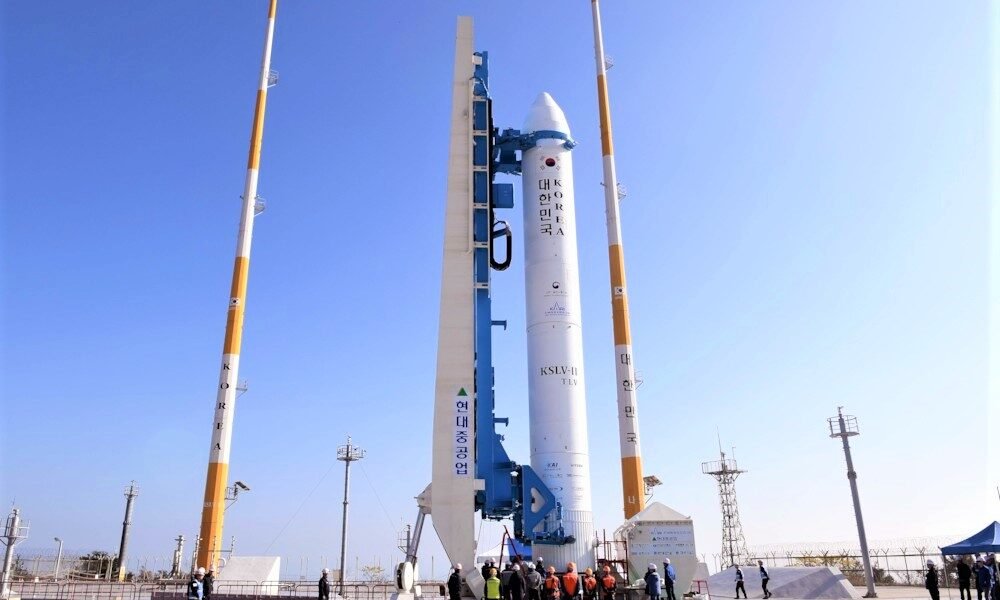

South Korea Nuri rocket has successfully deployed 15 satellites in its fifth orbital mission, showcasing the nation’s growing capabilities in space technology.
Overview of the Nuri Rocket
The South Korea Nuri rocket, officially known as the Korea Space Launch Vehicle-II (KSLV-II), has made significant strides in its recent missions. This launch vehicle is designed to enhance the country’s capabilities in space exploration and satellite deployment.
In its fifth orbital mission, the Nuri rocket successfully deployed a total of 15 satellites into orbit, marking a milestone in South Korea’s space ambitions. The mission showcased the reliability and efficiency of the rocket, which is a crucial component of the nation’s space program.
Key features of the Nuri rocket include:
- Improved Payload Capacity: Capable of carrying larger satellites compared to previous models.
- Advanced Technology: Incorporates cutting-edge systems for navigation and control.
- Cost-Effective Launches: Designed to reduce the overall cost of satellite deployment.
With each successful launch, the South Korea Nuri rocket positions the country as a growing player in the global space industry.
Significance of the Fifth Orbital Mission
The fifth orbital mission of the South Korea Nuri rocket marks a significant milestone in the country’s aerospace achievements. This mission successfully deployed 15 satellites, showcasing South Korea’s growing capabilities in space technology and satellite deployment.
Key implications of this success include:
- Enhanced National Security: The deployment of satellites improves South Korea’s surveillance and communication abilities, strengthening its defense posture.
- Economic Growth: A thriving space industry can lead to job creation and attract investment, boosting the overall economy.
- Scientific Advancement: The mission’s success paves the way for future research and exploration, positioning South Korea as a key player in global space initiatives.
As the South Korea Nuri rocket continues to demonstrate reliability and efficiency, it builds a foundation for ambitious future missions that could further enhance the nation’s standing in the international space community.
Impact on South Korea’s Space Program
The successful deployment of 15 satellites during the fifth orbital mission marks a significant milestone for South Korea’s Nuri rocket and its broader space ambitions. This achievement not only showcases the technological advancements made by South Korean engineers but also strengthens the nation’s position in the global space community.
As South Korea continues to enhance its capabilities in space exploration, the Nuri rocket represents a vital step toward achieving its long-term goals. The implications of this success are profound:
- Boosting National Pride: The accomplishment fosters a sense of pride and unity among citizens, demonstrating the country’s growing prowess in technology.
- Economic Opportunities: A successful space program can lead to new industries, job creation, and investment in research and development.
- International Collaboration: South Korea’s advancements may encourage partnerships with other nations, paving the way for collaborative space missions.
Overall, the Nuri rocket’s success is a pivotal moment for South Korea’s aspirations in space exploration.
Details of the 15 Satellites Deployed
During its fifth orbital mission, South Korea’s Nuri rocket successfully deployed a total of 15 satellites, marking a significant achievement in the nation’s space exploration efforts. The deployment included:
- Scientific Research Satellites: Designed to gather data on the Earth’s atmosphere and climate.
- Commercial Satellites: Intended for telecommunications and enhancing communication networks.
- Technology Demonstration Satellites: Aimed at testing new space technologies for future missions.
- International Collaborations: Several satellites were developed in partnership with countries such as Vietnam and the United States.
The successful deployment of these 15 satellites showcases the reliability of the Nuri rocket and strengthens South Korea’s position in the global space community. As the nation continues to expand its capabilities, future missions are anticipated to push the boundaries of space exploration further.
Future Plans for Nuri Rocket
As South Korea looks to the future, the Nuri rocket is poised to play a pivotal role in expanding the nation’s capabilities in space. Following the success of its fifth orbital mission, which effectively deployed 15 satellites, the South Korean government is planning to enhance the rocket’s technology and increase its launch frequency.
Key future plans include:
- Development of a larger payload capacity: This would allow for the deployment of more sophisticated satellites.
- International collaboration: South Korea aims to partner with other countries to share knowledge and resources in space exploration.
- Investment in research and innovation: Enhancing the Nuri rocket’s technology will keep South Korea competitive in the global aerospace sector.
Through these initiatives, the South Korea Nuri rocket is expected to solidify the country’s position as a significant player in the international space community.
Challenges Faced in Satellite Launches
The journey of the South Korea Nuri rocket has not been without its challenges. As the nation aimed to establish itself as a formidable player in the space industry, several obstacles emerged during the development and launch phases.
- Technical Hurdles: Engineers faced significant technical difficulties related to propulsion systems and payload integration.
- Budget Constraints: Funding issues initially threatened project timelines, forcing the team to make strategic adjustments.
- Regulatory Approvals: Navigating complex regulatory environments delayed crucial test flights and operational readiness.
- International Competition: South Korea had to contend with other nations’ advancements in space technology, which added pressure to innovate rapidly.
Despite these challenges, the successful deployment of 15 satellites has showcased the resilience and ingenuity of the South Korean space program, marking a significant milestone for the Nuri rocket and its future endeavors.
The successful launch of the South Korea Nuri rocket marks a significant milestone in the nation’s space ambitions. With its proven capability in satellite deployment, the South Korea Nuri rocket is set to play a crucial role in future space exploration initiatives.
By Kiyoen569 via Openverse
Sources
Related stories
Delta Reign English Cards: Best Reveals of Legendary Pyroduct · Bluey’s Happy Snaps: Best Overview Trailer Revealed · Jupiter-bound spacecraft: Quick proven insights on ESA’s mission