Fax Security Explained: How to Protect Sensitive Documents and Maintain Compliance

Despite the wide range of modern communication tools available today, secure faxing continues to play a critical role, especially in industries that must adhere to strict privacy and compliance regulations. Traditional faxing creates a direct connection between two machines, effectively bypassing many of the cybersecurity risks associated with internet-based communication. This makes it a surprisingly resilient and dependable method for transmitting sensitive information.
Why Fax Security Still Matters
It is easy to assume that faxing is outdated in today’s digital landscape. However, its continued use in sectors such as healthcare, legal services, and finance is not due to habit or resistance to change. Instead, it is rooted in a fundamentally different security approach compared to modern communication tools like email. Understanding this distinction is essential for recognizing why professionals handling confidential data still rely on fax transmission but now more than ever require secure fax delivery.
The primary strength of traditional faxing lies in how information is transmitted. Data is sent through the Public Switched Telephone Network, creating a temporary and direct connection between sender and recipient. This point-to-point pathway avoids the multiple servers and routing systems that emails must pass through, significantly reducing opportunities for interception.
The Security Challenges of Email
Email offers convenience and speed, but it also introduces a wide range of security vulnerabilities that are not present in traditional fax systems. When an email is sent, it is copied and routed through multiple servers before reaching its destination, and each of these points represents a potential entry point for unauthorized access.
In addition to these structural risks, email communication is frequently targeted by various threats:
Phishing attacks attempt to trick users into revealing login credentials or sensitive information.
Server breaches allow attackers to gain access to large volumes of data stored within email systems.
Malware and ransomware can be delivered through attachments or links, potentially compromising entire networks.
These risks highlight why many organizations continue to rely on faxing as a safer alternative for transmitting sensitive documents. The direct transmission method reduces exposure and limits opportunities for cyber threats to interfere.
A Trusted Method in Regulated Industries
The continued use of faxing is supported by its widespread adoption in regulated industries. Billions of documents are transmitted via fax each year, particularly in sectors that require strict confidentiality and data protection.
This preference is not based on tradition alone but on a strategic approach to risk management. The direct, peer-to-peer nature of fax transmission helps organizations avoid many of the vulnerabilities associated with internet-based communication systems.
Rather than resisting technological change, many professionals choose faxing because it offers a reliable and verifiable method of document transmission. In situations where a data breach could lead to legal consequences or financial loss, the reduced risk associated with fax communication becomes a significant advantage.
The Hidden Risks of Traditional Fax Machines
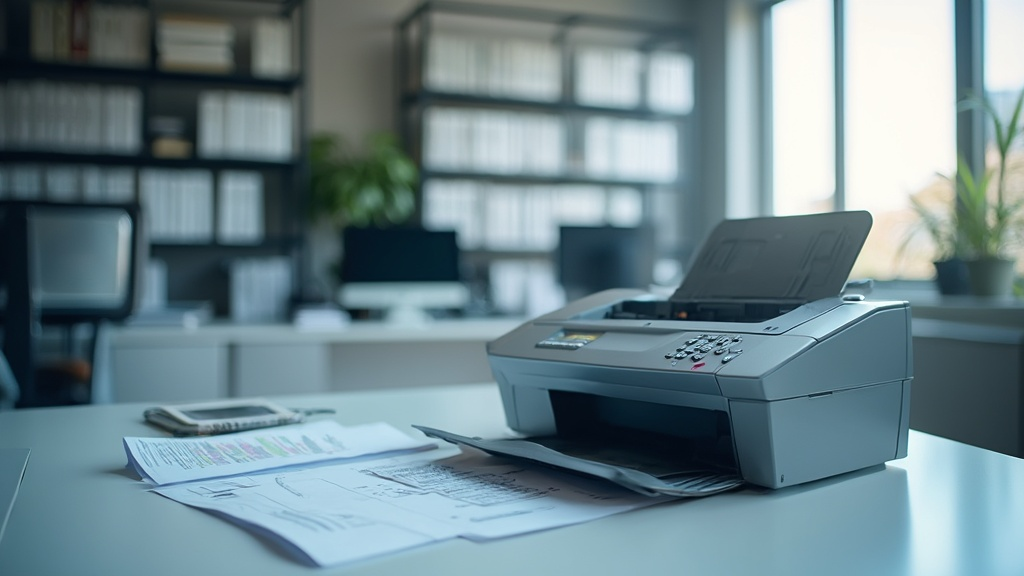
Although traditional faxing offers certain security advantages, it is not without its weaknesses. The physical fax machine itself can introduce serious vulnerabilities, particularly in shared or busy environments.
Once a document is printed, it becomes exposed. Unlike digital files protected by passwords or encryption, printed documents can be accessed by anyone who comes across them. This creates a significant risk of unauthorized access.
The lack of endpoint security is one of the biggest challenges. Sensitive documents may remain unattended, increasing the likelihood of accidental exposure or misuse.
Risks Associated With Physical Documents
One of the most significant concerns with traditional faxing is the handling of physical documents. Without proper controls, sensitive information can easily be compromised.
Documents may be left unattended on output trays, making them visible to unauthorized individuals.
In busy environments, papers can be mistakenly taken by the wrong person, leading to unintended data exposure.
Improper disposal, such as discarding documents without shredding, can result in sensitive information being retrieved and misused.
These risks are not hypothetical. Poor handling of physical documents has been linked to numerous data breaches, particularly in environments where confidentiality is critical.
Lack of Digital Tracking and Accountability
Another major limitation of traditional fax machines is the absence of reliable digital tracking. While some devices provide basic transmission confirmations, these records are often insufficient for modern compliance requirements.
There is no detailed log indicating who accessed the document, when it was retrieved, or how it was handled afterward. This lack of traceability makes it difficult to investigate incidents or demonstrate compliance with data protection regulations.
Without a comprehensive audit trail, organizations cannot fully account for the movement and handling of sensitive information, creating potential legal and operational risks.
Vulnerability of Telephone Lines
Although the telephone network used for fax transmission is generally secure, it is not completely immune to interception. With physical access to the line, a determined individual could potentially tap into the transmission and capture the data being sent.
Because traditional fax signals are not encrypted, intercepted transmissions can be reconstructed into readable documents. While this type of attack is less common than digital breaches, it remains a valid concern, particularly for high-value or highly sensitive information.
How Digital Faxing Improves Security
The transition from traditional fax machines to digital faxing systems has significantly enhanced document security. This shift is not just about convenience, but about introducing advanced protection mechanisms that address the limitations of analog systems.
Instead of producing physical copies, documents are handled as secure digital files. This eliminates many of the risks associated with physical exposure and enables the use of modern security technologies.
Encryption as a Core Security Feature
One of the most important advancements in digital faxing is the use of encryption. This technology converts data into a format that cannot be read without proper authorization, ensuring that sensitive information remains protected.
Encryption is applied during transmission, safeguarding documents as they move between devices and systems. This prevents unauthorized interception and ensures that data remains confidential throughout the delivery process.
In addition to protecting data in transit, encryption is also used for stored documents. Files are secured even when they are not actively being transmitted, reducing the risk of exposure in the event of unauthorized access to storage systems.
By combining secure transmission methods with encrypted storage, digital faxing creates a comprehensive security framework that addresses the weaknesses of traditional fax machines while maintaining the reliability that makes faxing valuable in the first place.