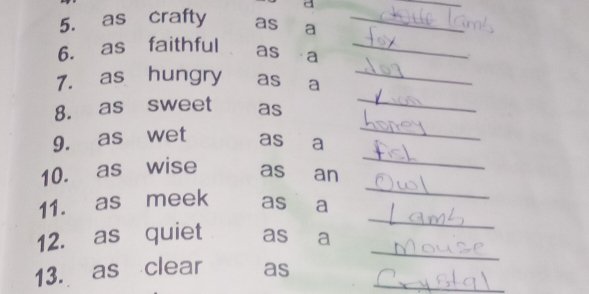

“As wet as” is a phrase that often sparks curiosity among language enthusiasts. Simply put, it is commonly used to vividly describe something soaked or drenched. Imagine a rain-soaked forest, each leaf, and twig as wet as could be. This versatile expression can bring life and drama to any description, painting a picture with just three little words. Join us as we delve into the fascinating world of “as wet as” and explore the endless possibilities it offers in the realm of language and communication.

Exploring the Phrase ‘As Wet As’: Understanding Different Levels of Wetness
Imagine a rainy day when you step outside without an umbrella. The rain pours down, drenching you from head to toe. In that moment, you might say, “I’m as wet as a fish!” But have you ever stopped to think about what it really means to be “as wet as”? Let’s dive into this common saying and explore the different levels of wetness it can describe.
What Does ‘As Wet As’ Really Mean?
The phrase ‘as wet as’ is often used to compare the level of moisture or dampness someone or something is experiencing. It’s a way of expressing how thoroughly soaked or drenched a person or object is. But not all wetness is the same – there are varying degrees of being wet that this phrase can convey.
Comparing Different Levels of Wetness
When we say someone is “as wet as a fish,” we are painting a vivid picture of complete saturation. Fish live in water, so they are always wet from head to tail. This comparison implies that the person being described is not just damp or slightly moist but completely soaked through.
On the other hand, being “as wet as a dewy leaf” suggests a lighter, more delicate level of wetness. Dew forms on leaves in the early morning, leaving a thin layer of moisture that glistens in the sunlight. This comparison conveys a sense of freshness and light dampness rather than heavy saturation.
Common Phrases Using ‘As Wet As’
The phrase ‘as wet as’ is a versatile one that can be used in various contexts to describe different situations. Here are some common phrases that incorporate ‘as wet as’ and what they typically mean:
1. As Wet As a Soggy Sponge
When something is described as being “as wet as a soggy sponge,” it usually means that it is completely saturated and dripping with water. Sponges are known for their ability to absorb liquids, so this comparison emphasizes a high level of wetness.
2. As Wet As a Puddle
Comparing someone or something to a puddle implies a significant amount of water accumulation. Puddles form after heavy rain or when water collects in a low-lying area. Being “as wet as a puddle” suggests a considerable amount of moisture and dampness.
3. As Wet As a Duck
Ducks are waterfowl that spend a lot of time in the water, so when we say someone is “as wet as a duck,” we mean that they are thoroughly soaked. This comparison emphasizes not only the level of wetness but also the natural affinity for water that ducks possess.
Expressing Different Levels of Wetness
Using the phrase ‘as wet as’ allows us to convey varying degrees of wetness in a colorful and imaginative way. Whether we’re describing someone caught in a downpour or a piece of clothing left out in the rain, this expression helps paint a vivid picture of just how wet something or someone is.
1. Describing a Heavy Rainstorm
Imagine being caught in a heavy rainstorm with raindrops the size of marbles coming down. You might exclaim, “I’m as wet as a drowned rat!” This comparison vividly describes the feeling of being completely soaked through by a relentless downpour.
2. Depicting Light Drizzle
On the other hand, if you’re walking outside in a light drizzle that leaves everything slightly damp, you might say, “I’m as wet as a blade of grass.” This comparison captures the subtle moisture of a gentle rain shower without the overwhelming saturation of a heavy storm.
3. Emphasizing Quick Drying
Not all instances of being wet have to last long. If you’re out in the sun after a brief rain shower and your clothes are drying quickly, you could say, “I was as wet as a desert lizard but now I’m as dry as a bone.” This comparison highlights the contrast between being wet and drying off rapidly.
In Conclusion
Next time you find yourself soaked from head to toe or caught in a light drizzle, remember the phrase ‘as wet as’ and the different levels of wetness it can describe. From being drenched like a fish to lightly moist like a dewy leaf, this expression offers a creative way to convey just how wet someone or something is. So, the next time you’re as wet as can be, think about the colorful comparisons that capture the essence of being thoroughly soaked.
Super R Type – As Wet as a Fish
Frequently Asked Questions
What does it mean for something to be as wet as?
When something is described as “as wet as,” it means that it is completely saturated with water or liquid, to the same extent as whatever it is being compared to. This simile is often used to emphasize the level of wetness or dampness.
How can you use “as wet as” in a sentence?
You can use “as wet as” to make comparisons and convey the level of wetness of an object or a person. For example, “After standing in the rain, my clothes were as wet as a sponge soaked in water.”
Can “as wet as” be used to describe emotions or feelings?
While “as wet as” is typically used to describe physical wetness, it can also be used figuratively to describe emotions or feelings that are overwhelming or intense. For instance, “Her tears streamed down her face, making her cheeks as wet as a rainy day.”
Final Thoughts
The rain poured relentlessly, soaking everything in its path. The streets glistened as wet as a freshly washed windowpane. People hurried by, seeking shelter from the downpour. Despite the inconvenience, the city seemed alive and vibrant under the gray clouds. As wet as it was, there was a certain beauty in the way nature reclaimed the urban landscape.